
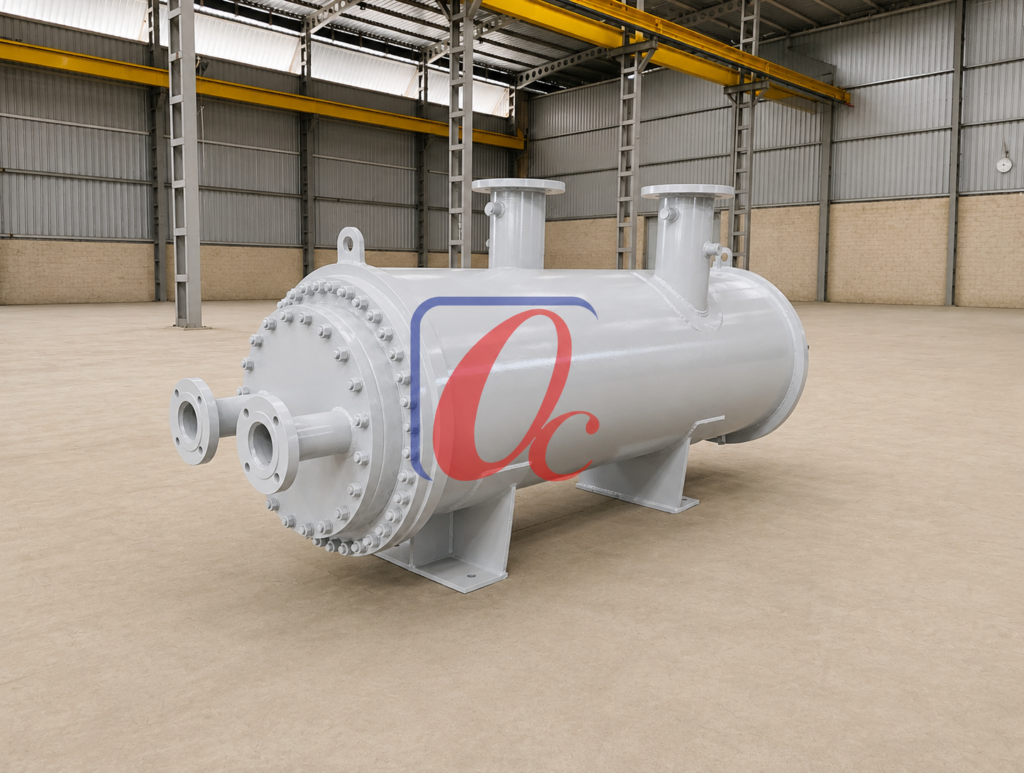
For many industrial plants, energy cost is no longer a minor operating expense.
It is a boardroom issue.
Electricity tariffs are rising. Fuel costs fluctuate. Production targets are tighter. Margins are under pressure.
Yet one of the most overlooked opportunities to reduce operating cost sits quietly inside the plant:
When cooling systems, heat exchangers, coils, condensers, and process thermal equipment are properly engineered, plants can significantly reduce energy costs through better heat transfer systems.
The reverse is also true.
Poor thermal efficiency silently increases power consumption every day.
Why Heat Transfer Impacts Energy Cost
Almost every industrial operation depends on temperature control.
Examples include:
- Process cooling
- Compressor cooling
- HVAC systems
- Utility water cooling
- Condensation duty
- Refrigeration systems
- Heating recovery loops
When heat transfer performance is weak, the plant compensates elsewhere.
That usually means:
- Pumps running longer
- Compressors working harder
- Chillers consuming more power
- Fans operating at higher load
- Boilers using more fuel
- Production slowing down
This is why industrial heat exchanger efficiency directly influences profitability.
1. Dirty Heat Exchangers Waste Energy
One of the fastest ways plants lose money is fouling.
Deposits such as scale, sludge, oil film, dust, and residue create resistance between heat surfaces and the fluid.
The result:
- Slower heat transfer
- Higher compressor load
- More pumping energy
- Longer equipment runtime
- Lower output efficiency
Routine cleaning can restore performance and immediately help reduce plant energy cost.
2. Wrongly Sized Equipment Creates Permanent Waste
Many systems are oversized, undersized, or poorly matched to current operations.
Examples:
- Old equipment selected for different production loads
- Expansion without utility redesign
- Generic replacements installed without thermal review
This causes continuous inefficiency.
Correct sizing based on real operating conditions often delivers better returns than many capital projects.
3. Pressure Drop Is an Energy Cost
Many teams track temperature but ignore pressure drop.
That is a mistake.
When exchangers, coils, or piping systems create excessive resistance:
- Pumps consume more power
- Fans work harder
- Flow reduces
- Process stability drops
Strong thermal design balances heat transfer with practical pressure loss.
That is real engineering value.
4. HVAC and Cooling Utilities Often Hide Major Waste
In many plants, utilities run continuously and quietly consume budget.
Common examples:
- AHU coils performing below design
- Chilled water systems with dirty coils
- Condensers losing efficiency
- Dry coolers not optimized for load
- Fans running at unnecessary speed
A better energy saving cooling system can significantly reduce monthly utility cost.
5. Recovering Heat Is Better Than Throwing It Away
Some plants reject useful heat unnecessarily.
Depending on process design, recovered heat may support:
- Pre-heating incoming fluids
- Water heating
- Process reuse loops
- Boiler load reduction
- Space heating support
Waste heat recovery can be one of the smartest thermal efficiency investments available.
6. Old Equipment May Still Run, But Cost More
Many industrial assets continue operating long after they stop operating efficiently.
This creates a dangerous illusion:
“It still runs, so it is fine.”
But aging equipment may be causing:
- Hidden energy waste
- Frequent maintenance labour
- Capacity bottlenecks
- Process inconsistency
Sometimes replacement has faster payback than continued inefficiency.
How to Identify Thermal Energy Loss in Your Plant
Watch for these signs:
- Rising electricity bills without production increase
- Longer cooling cycles
- Frequent utility complaints
- Temperature instability
- High compressor or pump load
- Repeated maintenance cleaning
- Declining process output
These often indicate the need for industrial thermal efficiency solutions.
Practical Ways to Reduce Energy Cost
Conduct a Thermal Performance Review
Measure current temperatures, flows, pressure behaviour, and load trends.
Clean Existing Heat Transfer Surfaces
Often the fastest ROI action.
Replace Incorrect or Aging Equipment
Especially where continuous inefficiency exists.
Upgrade to Better Coil / Exchanger Design
Modern engineering often improves performance.
Optimize Utility Controls
Variable speed drives, sequencing, and smarter operation reduce waste.
Review Process Changes
Production growth often changes thermal requirements.
ROI Thinking: Energy Savings Compound
A one-time capital decision may create monthly utility savings for years.
That is why serious leaders evaluate lifecycle economics, not only purchase price.
A better exchanger may cost more initially, but save significantly over its working life.
Why Buyers Choose Omeel Coils
Omeel Coils supports industrial buyers with engineered thermal systems designed to improve efficiency, reduce avoidable losses, and support dependable operations.
Our strengths include:
- Application-based thermal understanding
- Custom heat exchanger solutions
- Fin & Tube and Shell & Tube expertise
- Dry cooler and cooling system capability
- Replacement support mindset
- Serious industrial execution standards
Final Thoughts
Many plants chase cost reduction through procurement negotiation.
Smart plants also reduce waste through engineering.
When you reduce energy costs through better heat transfer systems, the savings often repeat every month, year after year.
That is not expense control.
That is operational intelligence.